Content
Shame can make you feel like you’re a bad person, even when you’re doing everything you can to be guilt and shame in recovery better. Replace those negative characteristics with positive ones that define who you are today.
Which hormone is responsible for shame?
The neurobiological basis for shame is a hypo-arousal (collapse or low energy) mediated state What happens is that the act of shaming induces production of a major stress hormone known as Corticotropin Releasing Factor (CRF) from the Hypothalamus area of the brain.
When a person has a mental health condition, they’re more likely to develop a substance problem. People might turn to substances to cope with their symptoms the same way they’d cope with stress or guilt. If these emotions coincide with mental health symptoms, a person is more likely to use drugs or alcohol. Shame can be caused by committing a crime and it could also be caused by being the victim. After years of suppressing these feelings of shame, mental disorders are created, which are overwhelmingly distressful.
Addiction Treatment Programs
The idea is that shame will motivate people with addiction problems to get their act together. The difference between guilt and shame is similar to the difference between justice and revenge. One strives to right a wrong, while the other tries to “get back” at a perpetrator. Here are 5 reasons to let go of shame for the good of your addiction recovery. Feelings of guilt and shame can come from how you see yourself. Instead of seeing yourself as a reflection of your past, try to view yourself as someone focused on making amends and doing the right thing. By working to overcome your addiction, you’re already taking steps to improve your life positively.
New, effective therapies for hepatitis-C give patients a second chance at life – cleveland.com
New, effective therapies for hepatitis-C give patients a second chance at life.
Posted: Tue, 17 Jan 2023 10:30:00 GMT [source]
Welcome to The River Source, the place where new beginnings are created. We commend you for taking the first step in your recovery, and we want you to know that we are here for you. Forge is a place to come and recover your life from addiction. We help you reimagine what is possible and create the life you’ve been dreaming of. Robbie, who has 32 years in sober recovery, was once traveling across the U.S. with a group of her sober pals. They stopped at a roadside diner and stayed sitting there deep into the night.
Ending the Shame of Addiction
Contingency programs is an incentive-based therapy that helps clients expect positive results when they try to improve themselves. Admitting things you have done to people, and asking them to forgive you, is a huge step. This is part of forgiving yourself, and it is part of getting forgiveness from others. Without a clearly established plan that considers how to avoid relapse triggers, individuals may succumb to impulsive urges. What’s important to remember is that these are completely normal feelings in reaction to a complex, chronic disease.
- Shame takes that a step further and tells the person they are bad, or not valuable, because of their bad actions.
- These feelings of shame often create a sense of self-doubt and a lack of self-esteem.
- Guild and shame are common emotions people experience throughout life, especially during addiction recovery, but what’s the difference between the two?
- More alarmingly, due to the nature of shame and the stigmas surrounding substance abuse, it can cause many to fear treatment and even refuse treatment altogether.
- Shame occurs when we blame ourselves – all of those bad feelings are intensified, and magnified in our souls.
Shame can cause feelings of failure or worthlessness and lead someone to think they aren’t loveable, don’t deserve to be happy or are defective somehow. A person who experiences shame might exhibit signs of low self-esteem, perfectionism and people-pleasing.
Forgive Yourself
In addition, they may also fear exposure and rejection. Shame is an emotion that is difficult to differentiate from guilt because it has to do with a reaction to a situation more than the situation itself. Guilt can motivate a person to apologize or make amends. Shame might keep a person hiding self-destructive thoughts and patterns of feelings so they don’t have to face them.
Overcoming guilt and shame in recovery is possible when you know how to work your way through these issues. Guilt and shame are not motivators and can be counterproductive, but they are not all bad. The fact that you feel guilt or shame means that you care. Just do not let your feelings of guilt or shame sabotage your recovery.
What Is the Difference Between Shame and Guilt?
Why wouldn’t humans get skittish with the most stressful human emotion? Psychology measures stress by measuring elevations in stress hormones, the two primary stress hormones are cortisol and adrenaline. I’m not saying that I’m not pretending like I can’t be shamed. The fact is, I know what it’s like to not live in shame all the time. And 90% of the time now what’s what’s replaced shame is self forgiveness, or self compassion.
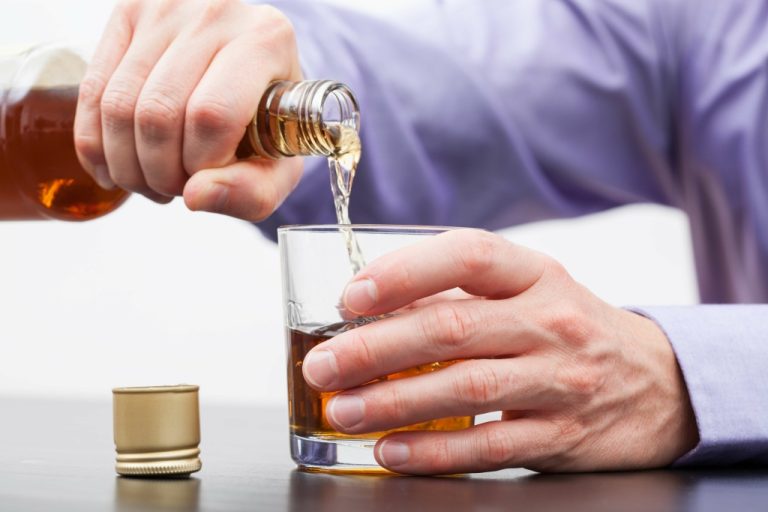
Guild and shame are common emotions people experience throughout life, especially during addiction recovery, but what’s the difference between the two? Below, you’ll learn about the differences between the two emotions and how they affect a person’s life. Because guilt and shame are such huge emotions when it comes to addiction, treatment centers have therapy for them as part of addiction treatment. Guilt may not be as much emotion as just recognizing the facts. While addicted a person might steal from family members, and hurt people, to get their drugs. They realize they are guilty and may feel bad as a result. Still, they continue the bad behavior while addicted, or before beginning recovery.